For immediate release
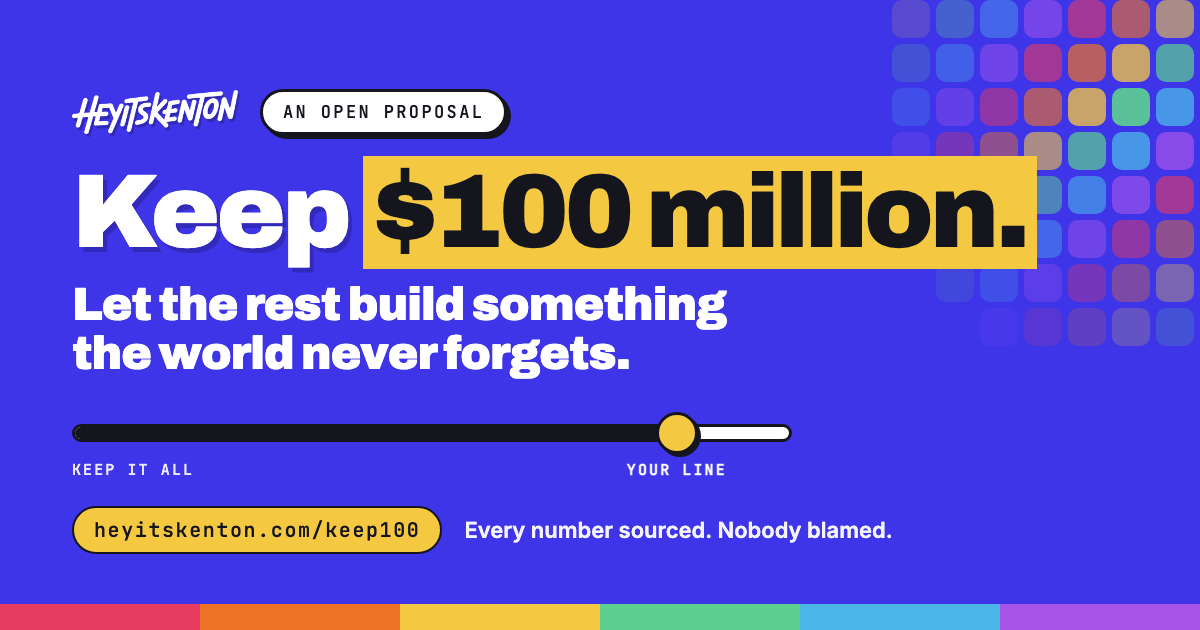
Keep 100: an open proposal invites the world's billionaires to keep $100 million and put the rest to work
A free, fully sourced blueprint, with an interactive slider and a growing set of chapters on what a fortune could do. It asks no one for money and blames no one.
Ryan K. Hertel, a creator and product builder in business since 2011, has published an open proposal to the world's 3,428 billionaires, who hold $20.1 trillion between them. It invites each family to keep $100 million, in today's dollars and rising with inflation, and to commit the rest to initiatives they choose and steer, through trusts or foundations the money can't come back from.
That line is the boldest version of the ask, and the one the name leads with. It isn't a test: a family can choose to keep more, the slider lets anyone set their own line, and the proposal welcomes any commitment at any amount. Nobody is shamed for what they keep.
The proposal also shows what the line still buys. A section on life at the line prices homes, cars, private jet travel, superyacht charters, staff, a driver and vacations, because keeping $100 million is still more than twice the Federal Reserve's line for the top 0.1% of US households.
Every number in the proposal links to its source. Visitors can drag a slider to see what a fortune could do for causes from malaria and clean water to veterans' homes and rainforests, then read a chapter on each one: the problem, what works, what a family could fund, and the honest limits.
No single family has to carry it. Shared by every billionaire, ending hunger by 2030 would cost each about $27.1 million a year, around 0.5% of the average fortune.
The proposal blames no one. To readers angered by the numbers, it says to aim that anger at the problem, not at people, because shame tends to make people defensive, not generous.
It isn't a charity and collects no money. Committed money never passes through Ryan. If a family hires his team to run a campaign around its giving, that's a normal, separate, disclosed engagement.
Ryan is available for interviews, podcasts, panels and talks, in person or online.
I know how this sounds. Here's the math.
What I see is an opportunity that has never existed before: enough money, in enough hands, to change how the world works within a single generation, and a family name that means good things for generations after that. Whatever you believe, this is a rare moment.
I'm serious about this. If you'd like to talk, I'll travel to meet you, on your schedule, under NDA if you prefer.
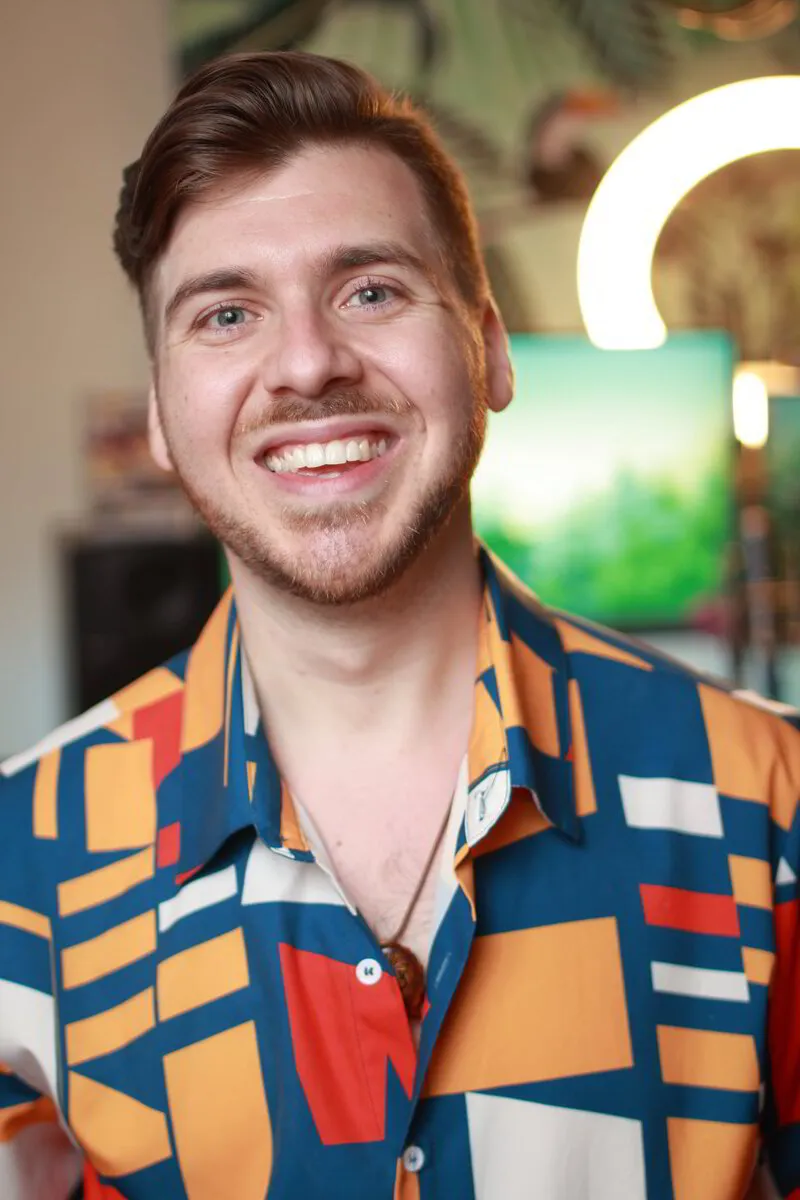
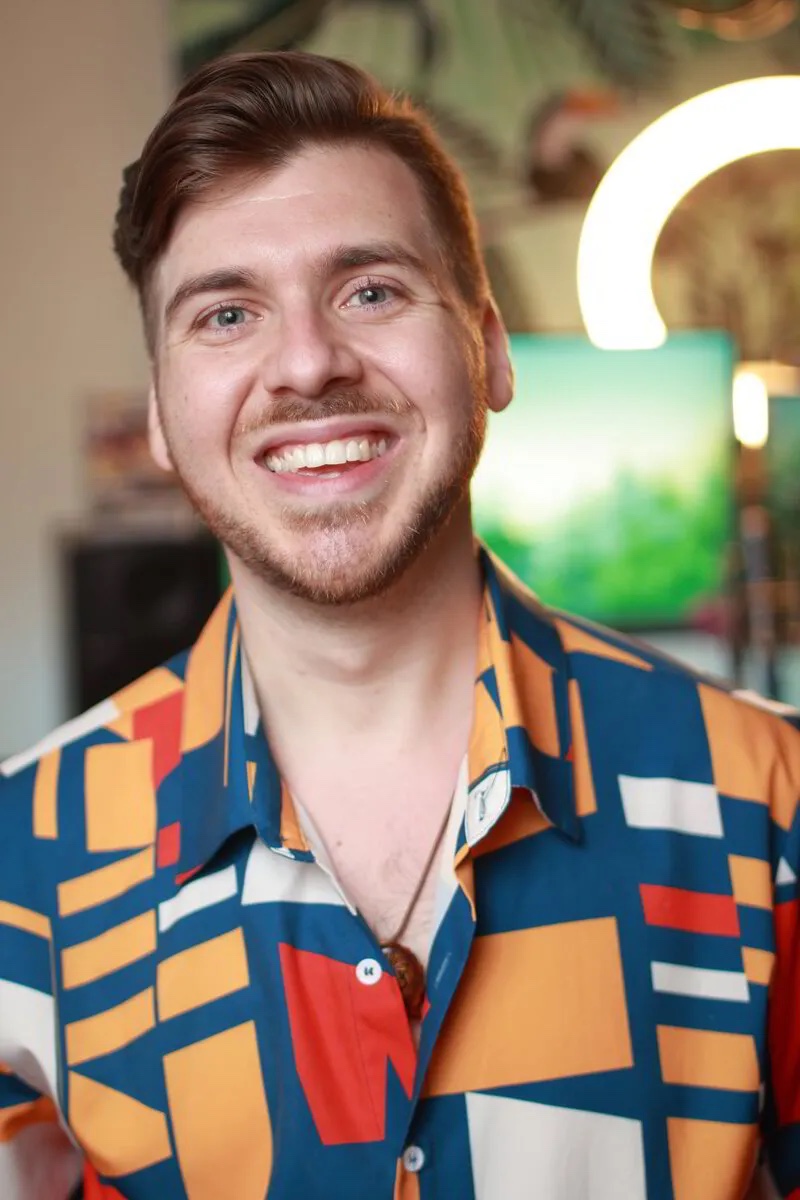
About Ryan K. Hertel
Ryan K. Hertel is a creator and product builder who has been in business since 2011. In 2017 he founded Socialocca, which began as a marketing company and is now a studio building software and digital products.
Media contact
Ryan K. Hertel
ryan@heyitskenton.com
heyitskenton.com/keep100
Available for interviews, podcasts, panels, keynotes, and presentations in person or online.